For centuries, civilizations across the globe have turned to the earth for its healing and beautifying properties. From ancient Egyptians to Roman spa-goers, the secret to purified, glowing skin has been hidden in plain sight: clay. Today, the ritual of applying a clay mask is more than just a skincare step; it's a moment of self-care, a way to detoxify, and a powerful method for revealing your most radiant complexion.
But what exactly is the magic behind these earthy treatments? How do they work to draw out impurities and leave your skin feeling fresh and renewed? This guide will unearth everything you need to know about clay masks, from their incredible benefits to choosing the perfect type for your unique skin and using it like a pro.
What Are Clay Masks and How Do They Work?
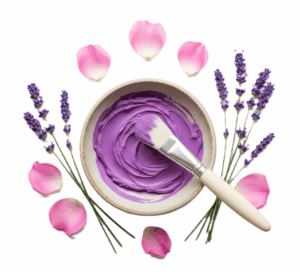
At its core, a clay mask is a skincare treatment made from natural clays. When mixed with water, a floral hydrosol, or other beneficial ingredients, it forms a paste that can be applied to the skin. The true power of a clay mask, however, lies in its natural properties.
- Absorption: The hero function of any clay mask is its ability to absorb. Clay naturally has a negative electrical charge. Why does this matter? Because many of the toxins, impurities, and excess oils in your skin have a positive charge. Like a magnet, the clay attracts and pulls these unwanted elements from your pores as it dries.
- Gentle Exfoliation: As the mask dries and is gently removed, it can help slough away dead skin cells, revealing a smoother surface underneath.
- Improved Circulation: That signature tightening sensation you feel as a clay mask works its magic can help stimulate blood flow, bringing a fresh rush of oxygen to your skin cells.
- Mineral Boost: Clays are rich in beneficial minerals like magnesium, calcium, and silica, giving your skin an extra nutrient boost with every application.
The Amazing Benefits of Using Clay Masks
Incorporating a clay mask into your routine can be a game-changer for your skin's health and appearance. Here are just a few of the incredible benefits:
- Deep Cleansing & Detoxification: Say goodbye to dirt, pollution, and daily grime.
- Oil Absorption & Shine Control: A must-have for those with oily and combination skin.
- Minimized Pores: By clearing out debris, pores appear visibly smaller and more refined.
- Acne & Breakout Treatment: Helps to draw out impurities from blemishes and reduce inflammation.
- Improved Skin Texture: Leaves your skin feeling noticeably smoother and softer.
- A More Even Skin Tone: With consistent use, clay masks can help diminish the appearance of hyperpigmentation.
- Calming & Soothing: Certain clays possess anti-inflammatory properties that can soothe irritated skin.
- Enhanced Product Absorption: A clean slate means your serums and moisturizers can penetrate deeper and work more effectively.
Find Your Perfect Match: Types of Clay Masks
Not all clays are created equal. Choosing the right one for your skin type is crucial for achieving the best results.
- Bentonite Clay: This highly absorbent, swelling clay is a powerhouse for detoxification.
- Best For: Oily and acne-prone skin.
- Key Feature: Its strong drawing power makes it incredibly effective at pulling out deep-seated impurities.
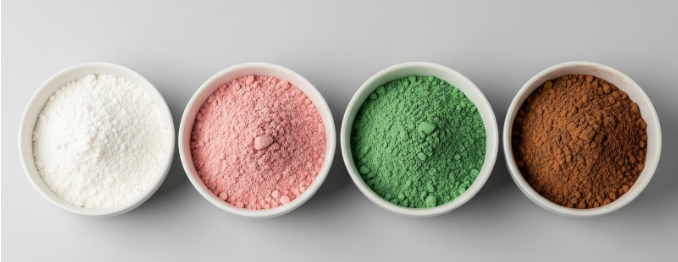
- Kaolin Clay (White, Red, Pink, Yellow): Known as one of the mildest clays, making it a versatile choice.
- White Kaolin: Ideal for dry, sensitive, and normal skin.
- Pink Kaolin: A gentle blend perfect for sensitive, dry, and combination skin.
- Red Kaolin: Suited for oily, blemish-prone, and mature skin due to its higher absorbency.
- Yellow Kaolin: A great option for normal, combination, and slightly oily skin, offering gentle exfoliation.
- French Green Clay (Illite Clay): Highly absorbent and rich in minerals, this is a classic choice for a deep clean.
- Best For: Oily, combination, and acne-prone skin.
- Key Feature: Excellent for soaking up excess oil and tightening pores.
- Rhassoul Clay (Moroccan Lava Clay): This mineral-rich clay is renowned for its conditioning properties.
- Best For: All skin types, but particularly beneficial for dry, mature, and sensitive skin. It's also wonderful for hair!
- Key Feature: Improves skin texture and elasticity while reducing dryness and flakiness.
- Fuller's Earth (Multani Mitti): With powerful absorption and natural bleaching properties, this clay is a potent treatment.
- Best For: Very oily, acne-prone skin and addressing hyperpigmentation.
- Key Feature: Offers strong oil control and can help lighten dark spots over time.
How to Use a Clay Mask Effectively: A Step-by-Step Guide
Ready to get masking? Follow these simple steps for a perfect at-home spa experience.
- Prep Your Skin: Always start with a clean face. Use your favorite cleanser to remove all makeup and impurities.
- Mix Your Mask (If Using Powder): If you're using powdered clay, mix it with a liquid like water, apple cider vinegar, or floral water until you have a smooth paste. Important: Always use non-metal bowls and spoons, as metal can react with the clay and reduce its effectiveness.
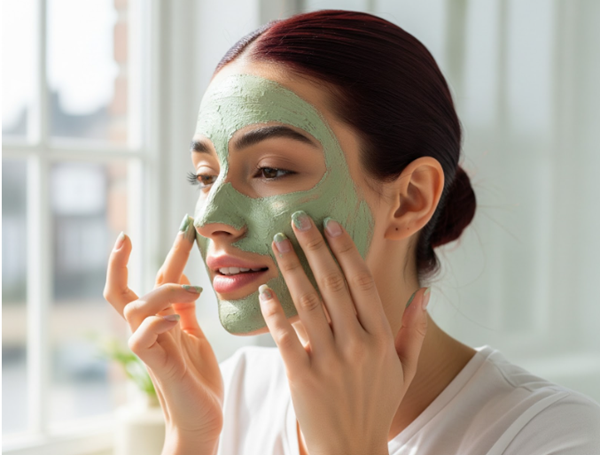
- Apply Evenly: Using your fingertips or a mask brush, apply a thin, even layer to your face. Be sure to avoid the delicate eye and lip areas.
- Time It Right: This is the most crucial step! Do not let the mask dry completely and start to crack. This can cause excessive dryness and irritation. Leave it on until it's just about dry, typically for 5-15 minutes.
- Gentle Removal: Use lukewarm water and a soft cloth to gently wipe the mask away. Avoid aggressive scrubbing.
- Post-Mask Care: Immediately follow up with a hydrating toner to rebalance your skin, then apply your favorite serum and moisturizer to lock in hydration. If it's daytime, finish with sunscreen!
Common Clay Mask Mistakes to Avoid
- Letting it dry completely: This is the #1 mistake! It strips the skin of its natural, healthy oils.
- Using metal utensils: This can deactivate the beneficial properties of the clay.
- Applying too thick a layer: A thin layer is all you need. A thick layer won't increase the benefits and will be difficult to remove.
- Over-using: Stick to 1-2 times a week. Oily skin might tolerate more, while dry, sensitive skin may only need a weekly treatment.
- Skipping moisturizer: It's essential to rehydrate your skin after a deep cleanse.
- Forgetting a patch test: If you have sensitive skin, always test a new mask on a small area first.
Fun DIY Clay Mask Recipes
Feeling creative? Try mixing up your own custom mask!
- For Oily Skin: Mix 1 tbsp Bentonite clay with 1 tbsp apple cider vinegar. Add an optional drop of tea tree oil for extra blemish-fighting power.
- For Dry/Sensitive Skin: Combine 1 tbsp White Kaolin clay with 1 tbsp rose water. Add a few drops of nourishing argan oil for a hydrating boost.
- For Dull Skin: Blend 1 tbsp French Green clay with 1 tbsp brewed green tea. Add a tiny pinch of turmeric for a brightening effect (be careful, as it can temporarily stain!).
(or if you're feeling like a little indulgence and don't feel like DIY-ing it, we have clay masks all ready to go - click the link below to check them out!! Our clay mask set also comes with 100mls of peony hydrosol to boost and compliment the moisturising, antioxidant, and cleansing properties of the clay masks)
Your Journey to Glowing Skin
Clay masks are a versatile, effective, and natural way to elevate your skincare routine. By understanding the different types of clay and how to use them correctly, you can unlock a world of benefits, from clearer pores to a brighter, more even complexion.
What's your favorite type of clay mask? Share your tips and experiences in the comments below!
Ready to unearth your best skin? Shop our favorite clay masks here!
Don't miss out on more skincare wisdom. Subscribe to our newsletter!