Building Our Dirt: Have you ever looked at a challenge, perhaps something really fundamental to what you do,
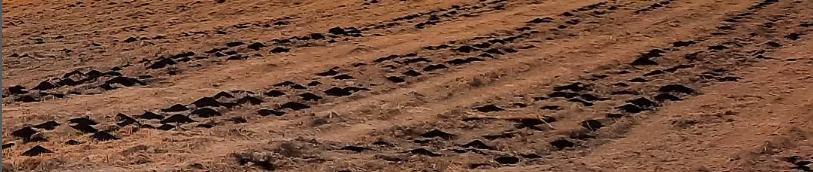
Have you ever looked at a challenge, perhaps something really fundamental to what you do, and thought, "There must be a better way to tackle this?" That’s exactly how we felt about our soil here in Upper Moutere. If you know this part of New Zealand, you’ll know it’s famous for one thing when it comes to farming: clay. And while clay might be great for pottery, it’s not exactly the dream medium for growing the vibrant peonies we love. So, for us, improving our soil isn't just a gardening hobby; it's an ongoing mission, a bit like that never-ending quest for the perfect espresso.
Why the Obsession with "Perfect Dirt"?
You might be wondering, "Why all the fuss about a bit of dirt?" Well, for us peony growers, our soil is literally the engine room of our operation. Creating the ideal environment for our peonies is, without a doubt, one of the most critical things we can do. It directly impacts both the quality of our stunning blooms and the sheer quantity we can produce. Think of it like this: you wouldn't build a skyscraper on quicksand, would you? The stronger the foundation, the more magnificent the structure.
Beyond just happy, healthy flowers, we had another big reason for diving deep into soil improvement: weeds. Oh, the weeds! Anyone who’s ever spent hours battling them knows it’s a never-ending saga. We wanted to see if different soil treatments could also help us cut down on the back-breaking, expensive work of weeding. Why the intense focus on these green invaders?
Firstly, peonies are a bit like royalty; they absolutely despise competition. Research backs this up too: better weed control almost always means a significant boost in both the quality and quantity of your flowers. We want our peonies putting all their energy into those beautiful blooms, not wrestling with unwanted neighbours.
Secondly, and perhaps most relatable for many of you, weeding is just plain tough. It’s physically demanding, and let’s be honest, it costs a fair bit in labour. If we could find ways to lessen that burden through smart soil management, then that’s a huge win for our team and our bottom line. Who wouldn't want to work smarter, not harder?
Our Big Dirt Experiment Kicks Off!
So, about three years ago, we decided to put our theories to the test. We launched a proper experiment to figure out the best way to supercharge our soil. We set up different rows in our fields and applied a few distinct treatments over two consecutive seasons, meticulously tracking flower production the whole time. It was a bit like running a science project, but with much prettier results (eventually!).
Every single peony plant in the experiment received our standard fertiliser and spray programme. Think of that as their baseline nutrition and health routine. But for the soil itself, we tried four different approaches:
- The "Nothing" Crew: These plants just got our standard fertiliser. They were our control group, letting us see what the native clay could do on its own.
- Pea Straw Power: We layered on pea straw, sourced from local farmers. The idea here was to add lovely organic matter and, hopefully, suppress weeds.
- Sawdust Magic: This came straight from a local mill. We had high hopes for its weed-suppressing abilities, though we also knew we'd need to keep an eye on nitrogen levels, as sawdust can gobble that up.
- Compost Champions: We brought in nutrient-rich compost from a local manufacturer. This was our top pick for creating the ultimate healthy soil environment, expecting it to boost flower production significantly.
We had a few hunches going into this:
- We were pretty confident the compost would give us the best soil conditions and, in turn, the most flowers.
- For keeping those weeds at bay, we thought sawdust would be the reigning champion, with pea straw also doing a good job.
- And we knew patience would be key. We figured it would take at least two years to see any real, valid results, because the little "eyes" that form on the plants in one year actually turn into flowers the next. In fact, we even thought it might take three or four years to get the full picture.
The Results Are In (So Far!)
In the first year, it was a bit of a nail-biter for flower production. Honestly, the overall results were pretty even across all treatments, even our "nothing" group. Our initial hypotheses weren't exactly jumping out at us from the flower counts. However, our fantastic team who did all the weeding had some clear feedback: the sawdust rows had the fewest weeds, followed closely by the composted rows. The "nothing" rows, well, they definitely kept our team in shape!
By the second year, things really started to change. All the plants across the board showed a significant increase in flower production, and the proportion of flowers that were actually top-notch and ready for sale also jumped up. We believe a big part of this improvement was down to better overall weed control – less competition means more energy for blooming, right?
Now for the interesting bit: the plants that had pea straw added seriously underperformed all the other treatments, by about 20% fewer flowers. It seems our theory about pea straw wasn't quite on the money, at least in our clay.
On the flip side, the "nothing," sawdust, and compost treatments all produced similar volumes of beautiful flowers. But here's a subtle but significant finding: the control group (the "nothing" rows) actually flowered earlier than those that received sawdust or compost. For flower growers, this can be a big deal, as early-season flowers often fetch a premium price. Timing, as they say, can be everything!
What's Next on Our Dirt Journey?
We’re now heading into year three of this experiment. Based on these initial results, we haven't added any new material to the soil in these test rows for this season. But don't worry, we're not stopping there! We'll keep collecting data by treatment to see what longer-term impacts these different soil interventions have. It’s like watching a long-running series, and we’re excited to see how this season unfolds.
This whole process has been a fascinating reminder that sometimes the biggest improvements come from understanding the basics, even something as humble as dirt. It’s about putting in the consistent effort at the foundation to reap the rewards later.
To all you other flower growers and horticulturalists out there: have you run similar experiments or found any surprising differences in output based on how you treat your soil or manage weeds? I’d love to hear about your experiences and what gems you’ve uncovered in your own patches!
NB: Written with the support of Gemini AI